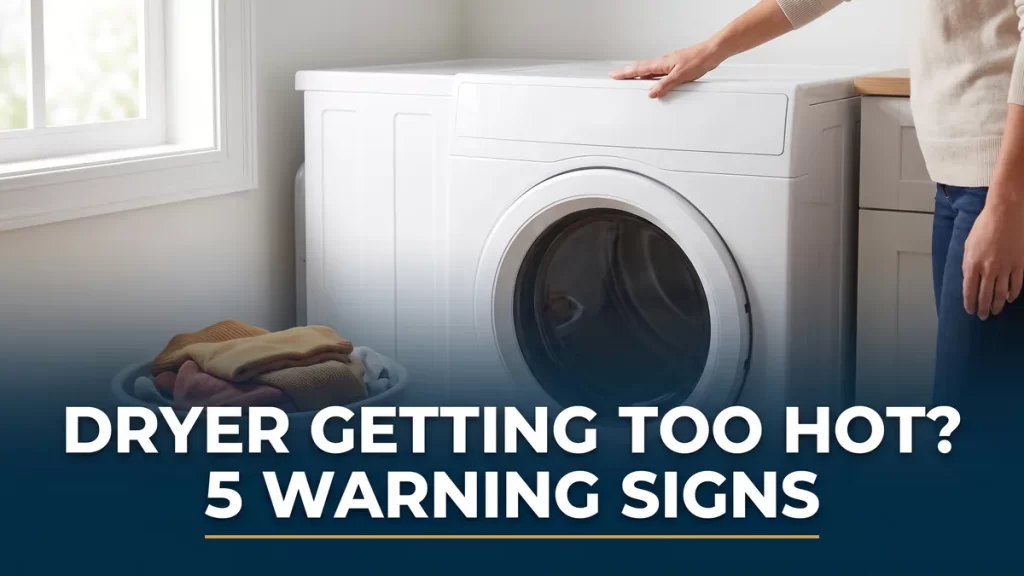
A dryer getting too hot is not a minor quirk you should ignore. It is the clearest warning sign that your airflow, thermostat, or heating element has failed. Every one of these faults increases the risk of scorched clothes or a serious laundry room fire. Before running another load, learn the key warning signs and understand when it is time to seek professional repair for a dryer getting too hot.
Heat problems often build up quietly over time. The machine continues to cycle, but temperature issues inside the drum worsen until the exterior top panel becomes unsafe to touch. This guide covers the warning signs to watch for, what causes overheating inside the unit, and how to safely inspect your appliance.
In this article
Why a dryer runs too hot in the first place
A clothes dryer relies on balanced components to operate safely. A heating element warms incoming air, a blower wheel pushes that air through the drum, and internal thermostats regulate safe operating temperatures. When all components function correctly, exhaust air flows out efficiently before heat builds up to unsafe levels.
Overheating occurs when airflow becomes restricted or temperature safety mechanisms fail. Lint build-up in the ventilation duct, a stuck thermostat, or a failing blower wheel traps hot air inside the cabinet. The heating element continues producing heat, but without adequate exhaust, temperatures spike quickly.
Quick take
Most dryer overheating stems from restricted airflow. Blocked vents, a failing thermostat, or a weak blower trap excess heat inside the appliance. Restoring proper airflow usually resolves the temperature issue.
5 warning signs of a dryer getting too hot
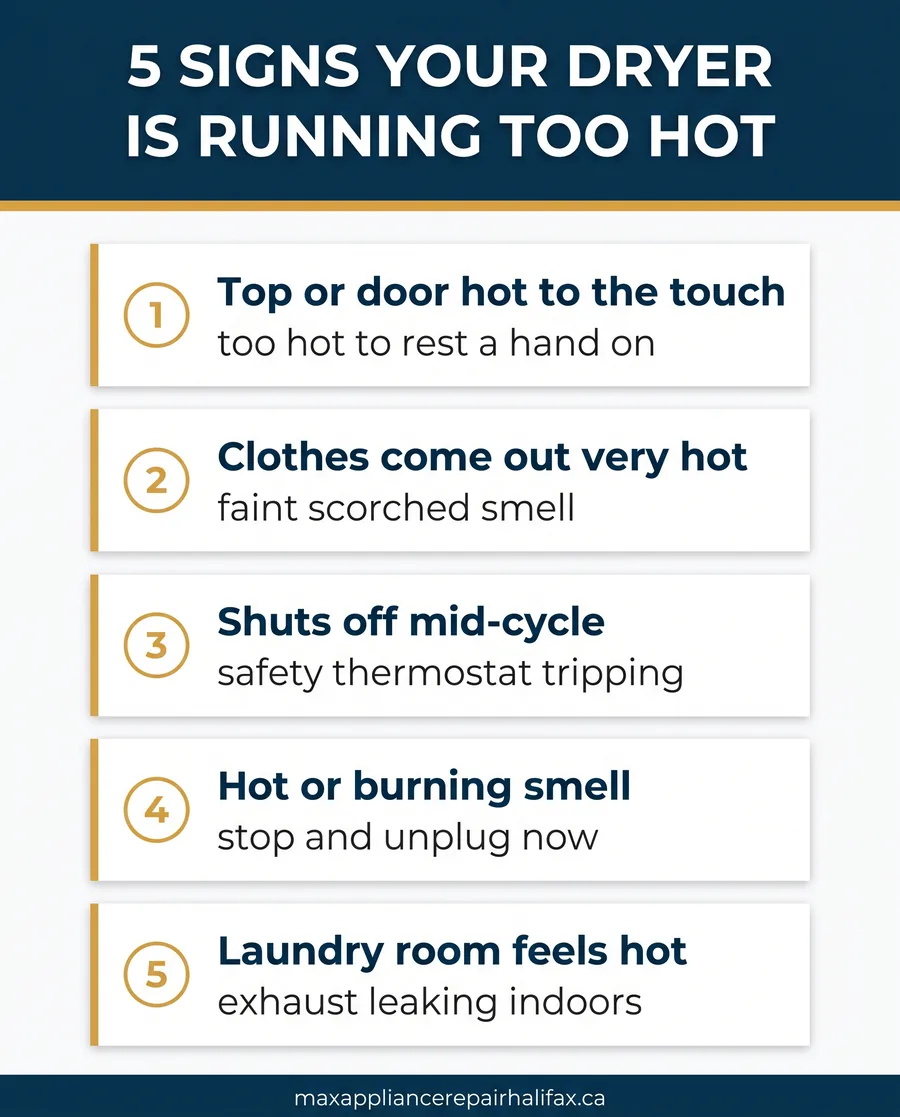
Catching appliance issues early prevents minor component failures from becoming major hazards. Watch for these five indicators of a dryer getting too hot:
- The exterior cabinet or door is hot to the touch: A warm exterior is standard during operation, but a panel that is too hot to comfortably hold your hand against indicates excessive internal heat.
- Clothes feel scorching hot or smell singed: If laundry comes out uncomfortably hot or carries a faint burnt smell, the drum temperature is exceeding safe operational limits.
- The dryer shuts off mid-cycle and restarts later: When safety thermal switches overheat, they cut power to prevent fires. Once cooled down, the unit may reset and start again.
- A burning or electrical odor is present: Trapped lint around a heating coil produces a distinct burning smell. An electrical odor requires immediate shutdown and disconnection.
- Excessive heat and humidity in the laundry room: High humidity and extreme ambient warmth in the room indicate that moist, hot exhaust air is leaking inside rather than venting outside.
Red flag: A burning smell with a dryer getting too hot
Never ignore a burning smell. Immediately stop the cycle, unplug the dryer or turn off its circuit breaker, and refrain from using the unit until a technician inspects it. Accumulated lint near a heating element can ignite rapidly when temperatures rise unchecked.
What is actually overheating inside the dryer
When an appliance service technician inspects an overheating dryer, the issue generally points to specific internal components. The table below breaks down the common causes and solutions:
| Part or Cause | Why It Causes Overheating | Who Should Handle It |
|---|---|---|
| Clogged lint filter or ductwork | Blocked airflow traps hot air inside the drum and cabinet assembly | Homeowner (filter/short duct); Professional (deep vent cleaning) |
| Blocked exterior vent hood | A stuck exterior flap or clogged hood prevents exhaust discharge | Homeowner can inspect and clear obstruction |
| Failed cycling thermostat | Stops cycling temperature properly, causing heating elements to run constantly | Licensed appliance technician |
| Shorted heating element | A coil touching the metal housing creates continuous, unregulated heat | Licensed appliance technician |
| Broken blower wheel | Reduced airflow leaves heat trapped inside the drum | Licensed appliance technician |
| Failing high-limit safety fuse | A malfunctioning safety cutout allows operational temperatures to spike | Licensed appliance technician |
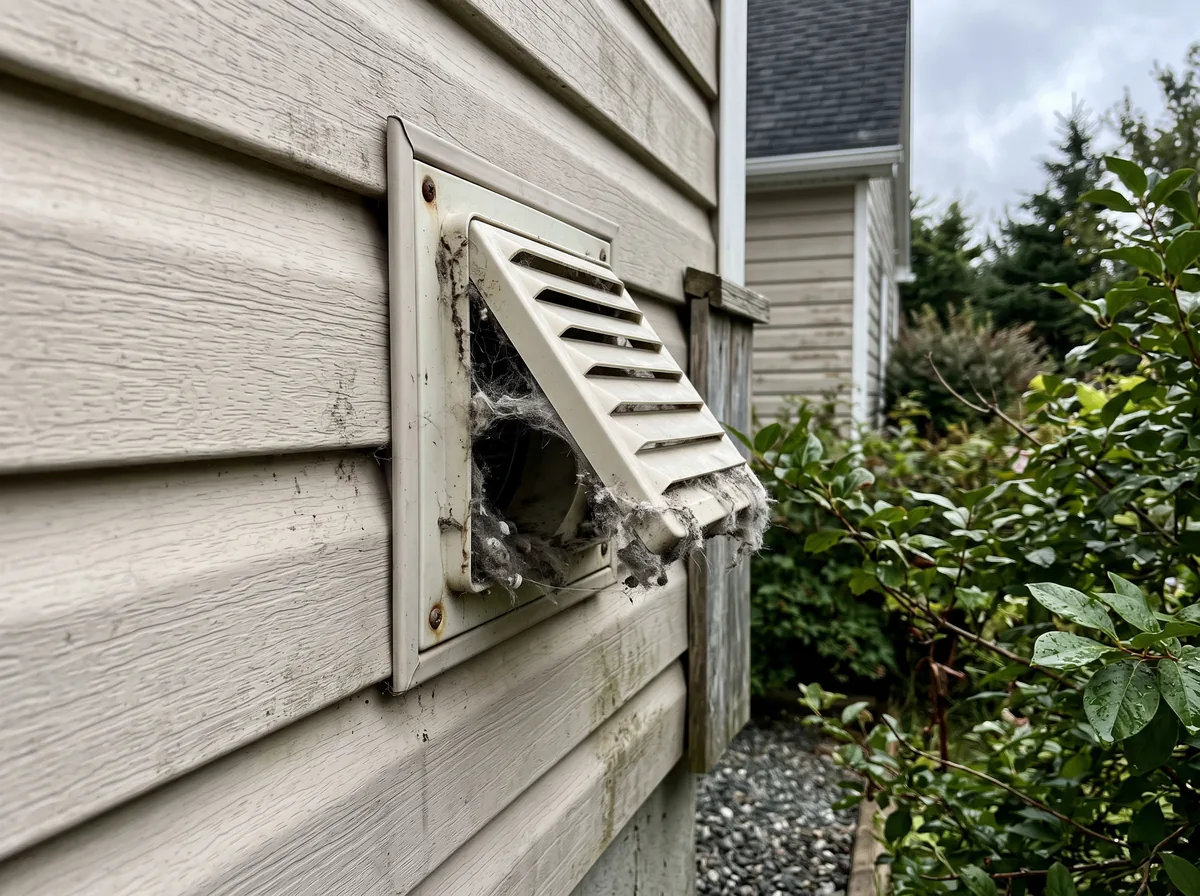
The fire risk you should never ignore
An overheating clothes dryer poses a significant safety hazard. Accumulated lint is highly combustible. When trapped air pushes internal temperatures beyond safe thresholds, lint build-up can ignite quickly. Fire prevention safety statistics indicate thousands of residential fires occur annually due to neglected ventilation lines and restricted airflow.
Addressing warning signs early prevents severe appliance failure. Maintaining clean exhaust lines and monitoring temperature performance are the most effective ways to eliminate fire risks.
Did you know?
The standard lint screen only collects a portion of total clothing lint. The remainder travels into internal components and ductwork. Annual professional duct inspections ensure deep-seated blockages are thoroughly cleared.
What you can safely check yourself
- Disconnect power: Before performing any inspection beyond cleaning the lint screen, unplug the appliance or turn off the breaker.
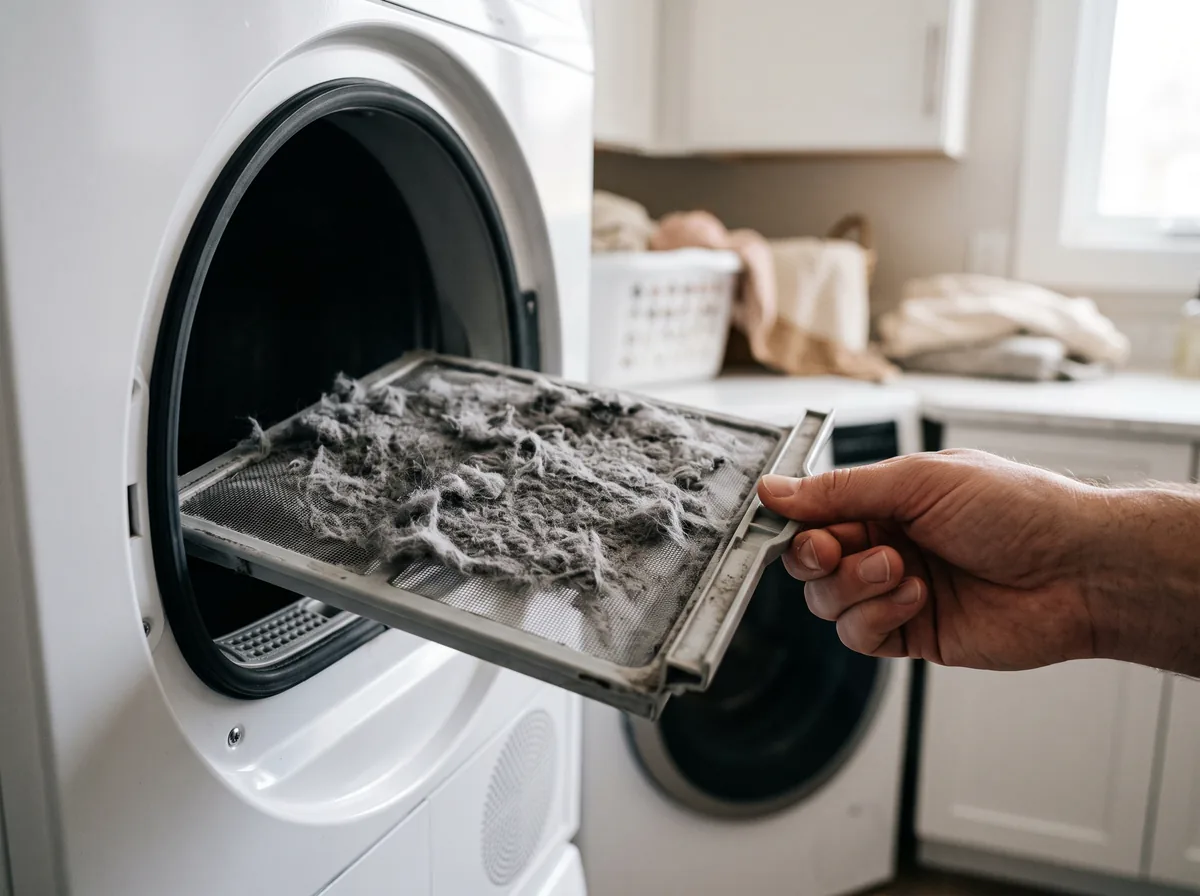
- Clean the lint screen thoroughly: Remove visible lint. Wash the screen periodically with warm, soapy water to remove invisible residue left by fabric softeners.
- Examine the outdoor vent hood: Run an air-only cycle and verify that exhaust air moves freely out of the exterior hood. Weak airflow points to a duct blockage.
- Check for external blockages: Ensure exterior flaps move freely and are free from debris, lint, or seasonal snow accumulation.
- Inspect the transitional duct: Replace crushed foil or plastic ducting with semi-rigid or rigid metal ducting for improved airflow.
- Maintain rear clearance: Ensure the dryer is placed far enough from the wall to prevent crushing or pinching the exhaust hose.
- Call a professional if symptoms persist: If overheating continues after cleaning the vent line, contact an appliance repair expert to inspect electronic thermostats, thermal cutouts, and heating coils.
Pro tip
Develop a habit of feeling the top panel of your dryer at the end of a drying cycle. Getting familiar with normal operating temperatures makes it easy to spot unusual heating trends early.
Download the free quick guide
Download a one-page checklist covering safety checks and warning signs when dealing with a dryer getting too hot.
Frequently Asked Questions
If you suspect your dryer getting too hot is caused by a component failure, do not wait for the problem to resolve itself. Max Appliance Repair Halifax provides expert diagnostics across Halifax, Dartmouth, and Bedford. If your dryer becomes unsafe to touch, book a service visit today to resolve the issue quickly and safely.